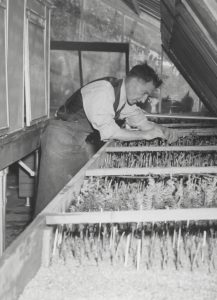
William Henry Judd was born on 14th July 1888, the son of William Judd and Alice Jane (Mosdett)
He was baptised at Daresbury on Aug 26th 1888.
There is some confusion as to where he was specifically born; his birth certificate and his baptism record both say Newton by Daresbury, but he himself said he was born at the lodge of The Oaklands in Preston Brook, where his father was employed as a gardener by Charles Jones

In 1893 he started school at Daresbury and was quite happy there. We can presume his interest in arboriculture began at a young age as he noted in his memoirs “My early days were very happy days and after school hours I used to amuse myself around the garden.”
However the following year he was struck down with measles and pneumonia, ending up being sent to the Royal Alexandria Hospital in Rhyl, North Wales, for 8 weeks before being sent to Fleet for a further 7 weeks to convalesce.
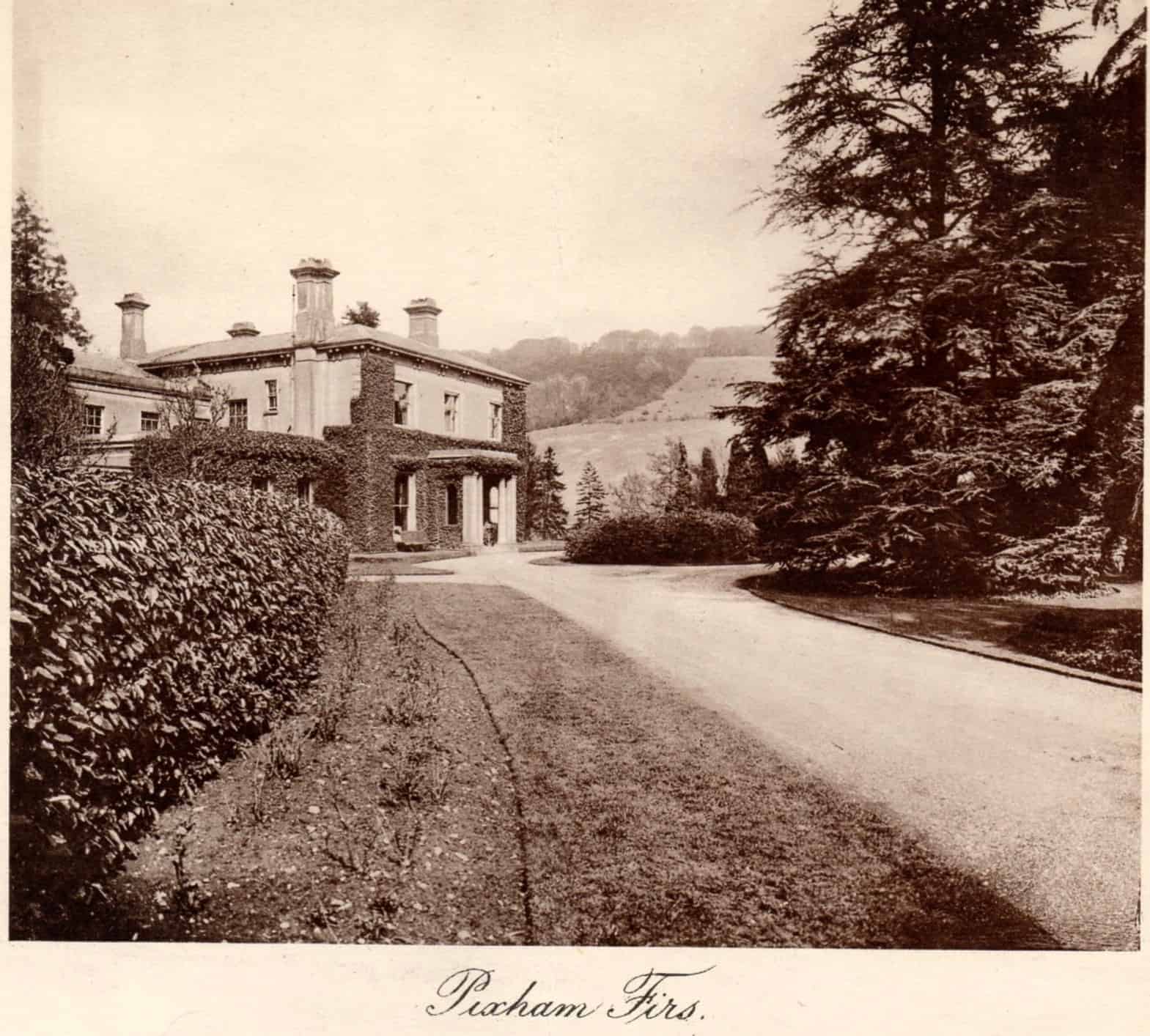
In 1897, the family left The Oaklands and moved to Rainhill, where his father worked briefly on a farm. Following the collapse of the farm, the family moved to Dorking in Surrey, where his father was employed as the head gardener at Pixham Firs for the local magistrate John Deverall. William attended the national school in Dorking at this time, noting that these were his “happiest schooldays” despite the daily 8 mile walk!
In November of 1901 the family moved again to follow his father’s work, this time to Steventon Manor in Hampshire (the same Steventon of Jane Austen fame).
William’s interest in nature and plants was firmly cemented by this time, noting that the area was “most delightful place to study the wild ways of nature.”
It was at this time that, frustrated that the local school didn’t cater to older scholars like himself, he quit school and began working with his father in the garden, albeit mostly on weeding duty, and began an independent education in the ways of botany and arboriculture.
In 1910 he began working and studying at Kew Gardens and developed a particular talent in propagation. He was a competent young man, and in 1913 he gained a position as an assistant to the propagator Jackson Dawson, at the Arnold Aboretum in Boston, USA.
Just prior to leaving England, he became engaged to his sweetheart, Florrie Watford, the daughter of a Kew engineer. However, the course of love never runs smooth and he met another young lady and wrote to Florrie in 1914, breaking off their engagement. This new love, Lucy Smith, he married on 1st March 1916. The marriage was happy but ultimately childless, with their only daughter being stillborn in 1917.
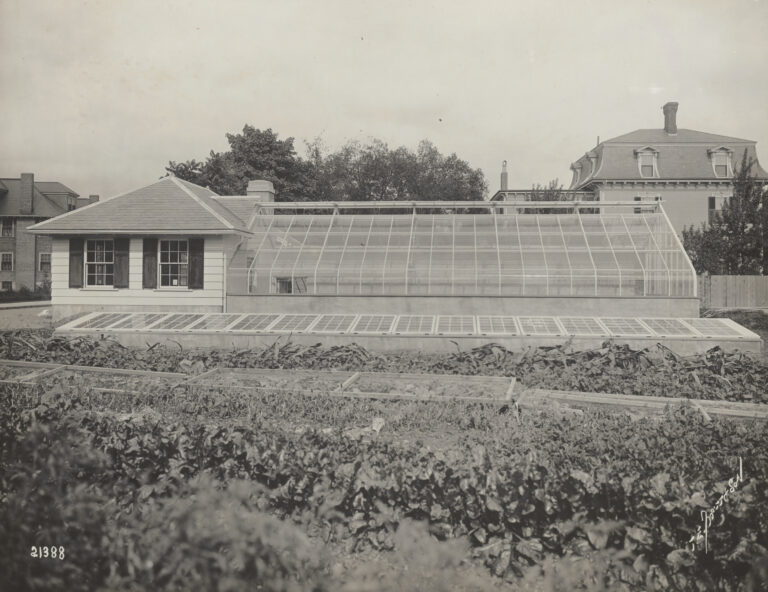
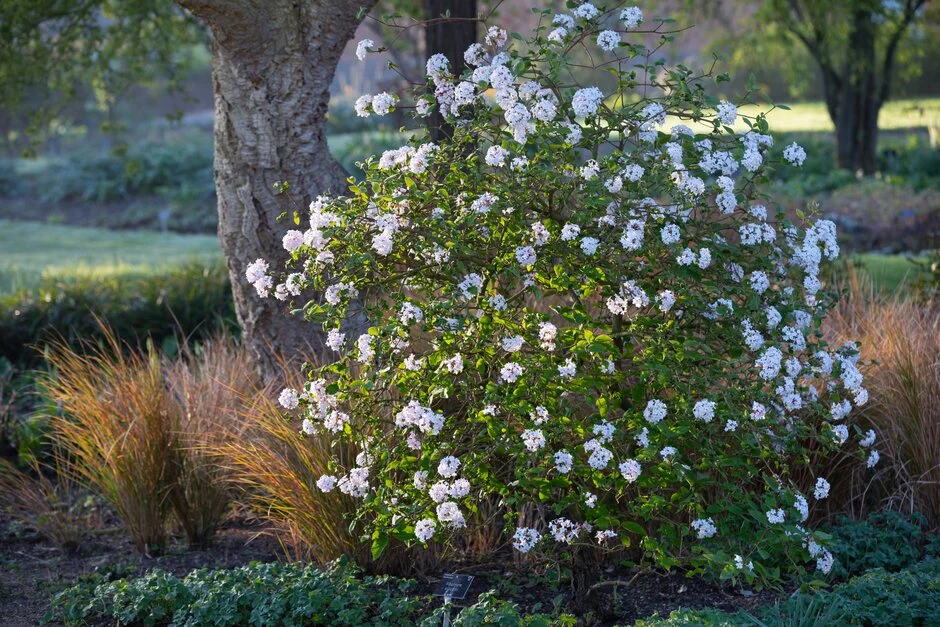
Following the death of the Dawson in 1916, William took on the role of head propagator for the Arboretum, a role he would hold until his own death. He regularly travelled across the world on work and leisure, lecturing in major cities, studying and advising at various gardens and visiting ‘old haunts’, and in his greenhouses in Boston, he bred a number of plants that are still seen in gardens across the world today.
He died suddenly on 23rd May 1946, the occurrence of which was described as “He had just returned from the last meeting of the season of the Horticultural Club of Boston, reaching his home at 11pm when his attention was attracted by a large fire not far distant. He apparently hurried to the fire, and it was while he was mingling with the spectators that he suffered a fatal heart attack.”