Although there has been a church at Daresbury for nearly 1000 years, a parsonage only came in 1819 after a lot of hard work!
It was first proposed by Reverend Joseph Blackburn in the late 1770s. The man was by then in his late 70s and finding it increasingly difficult to attend to his parishioners in a timely fashion from his house in Warrington.
Daresbury was quite a poor living, and in 1738 it benefitted from the Queen Annes Bounty scheme following Blackburn himself donating £200 to the benefice. A further £200 was provided through a legacy left by a benefactor named Mr Smith, helping to secure a larger and more sustainable income for the parish.
However, building a parsonage was still not a cheap project, and by the time Reverend Blackburn died in 1787, there was still no house for the incumbent.
This state of affairs continued until 1819, when Reverend Robert Fletcher finally succeeded. It was constructed in a remote location, off Morphany Lane in Newton by Daresbury, which his successor claimed was deliberate because he was being shunned by his parishioners!
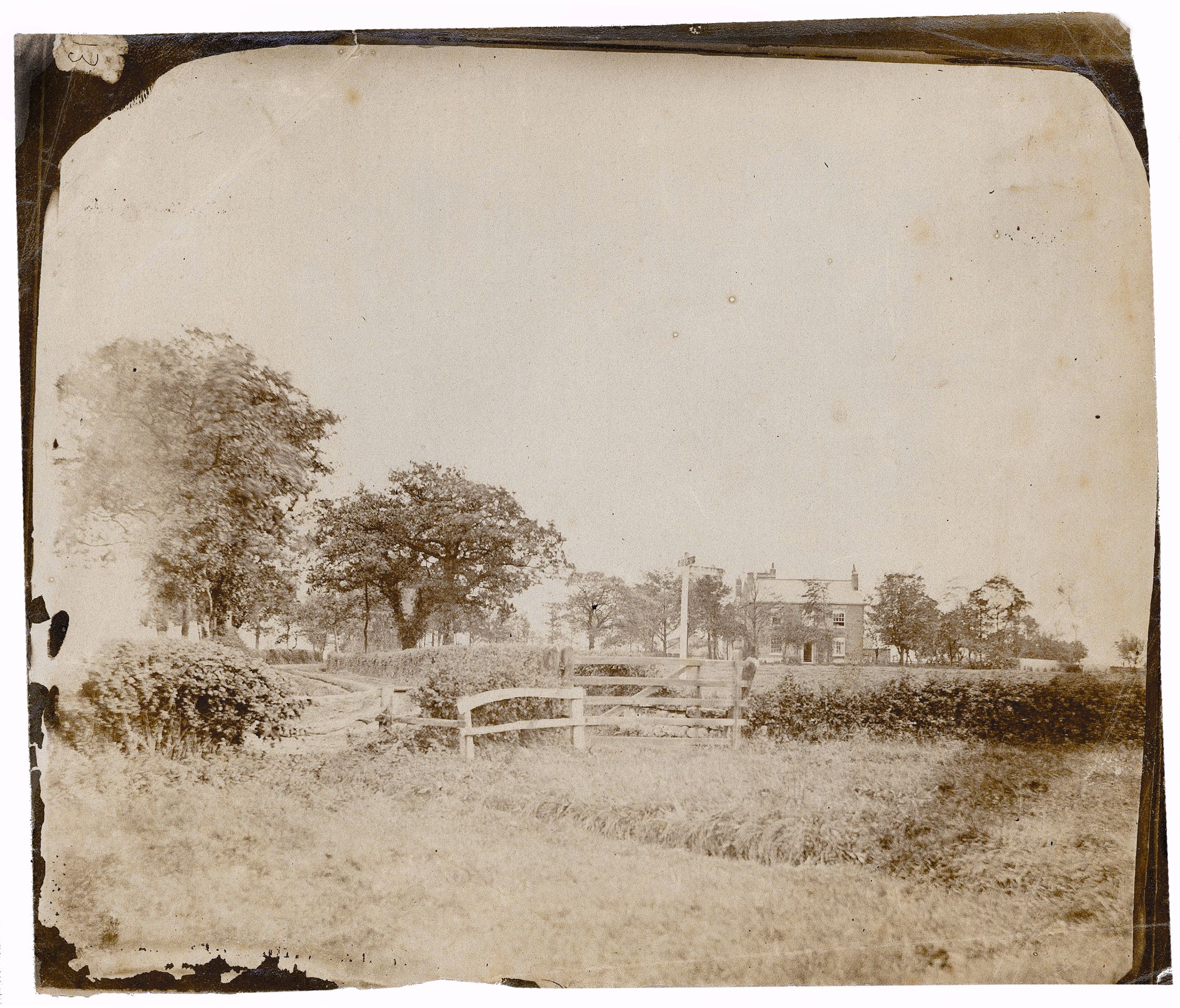
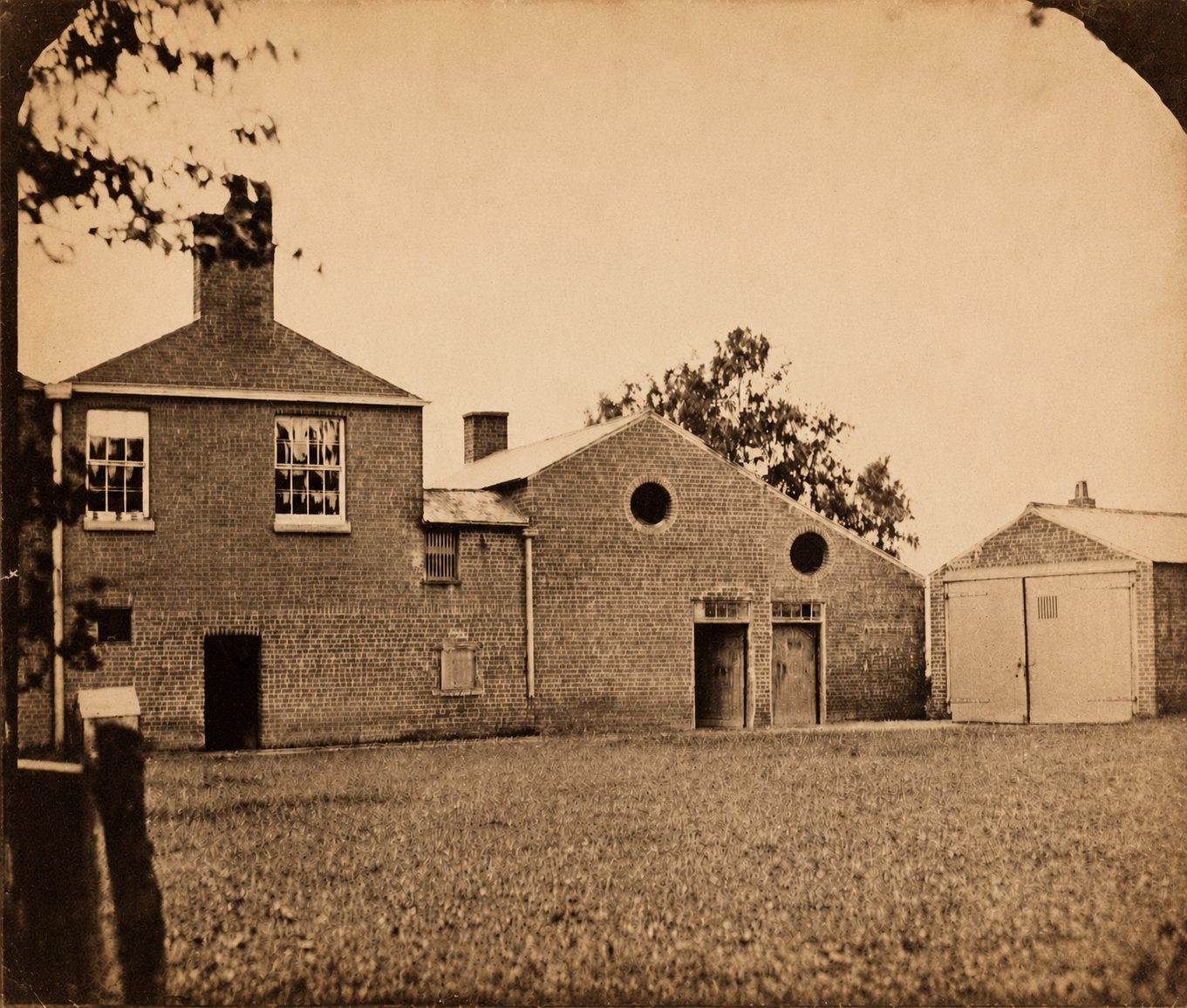
It was a glebe farm and intended to be self sufficient, so also constructed were a shippon for 4 cows, stables, a gig-house with the laundry above.