Methodists had been preaching in the Runcorn, Frodsham and Warrington areas since the last part of the 18th century. John Wesley preached in and around Warrington some 20 years before the first chapel was built in Moore in 1812. He had visited Preston-on-the-Hill in 1781 and 1783.
Mr W Clarke, a preacher from Stockton Heath, said he had heard some of the old local preachers remark that they had stood and preached at the Town Pit in Moore (the village pond by Town Pit House, now called The Willows). In 1812, a society of four members was formed at Acton Grange. It is thought that the Balmer family farmed at Hollyhedge Farm in Acton Grange and that this farmhouse may have been one of the society’s earliest meeting places.
Mr Clarke and his wife, who were already Methodists, joined the group. The ministry began and the first chapel was built, at a cost of £500 and accommodating ‘200 persons’.
And so Moore joined some of the earliest Methodist pioneers in the surrounding district in ‘spreading Scriptural Holiness and preaching salvation by faith alone’.
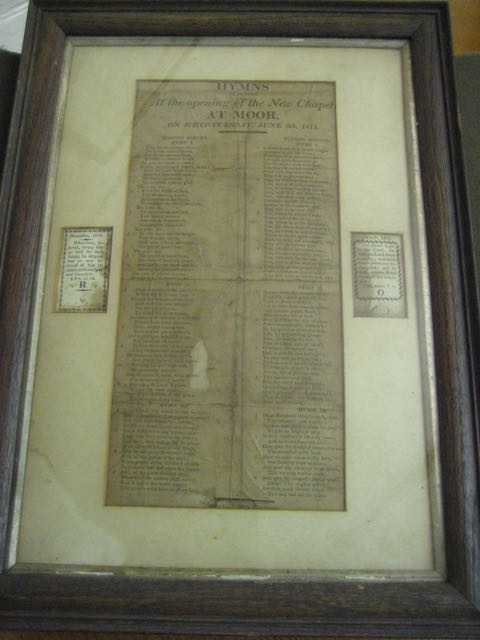
In the late 1860’s, it became clear that the chapel required extensive repairs. James Dutton offered to pay for the building of a new chapel, along with a chapel-keeper’s house and schoolroom. He was supported in this by his brothers John and William.
The architects Messrs Pierpoint, Hughes and Pierpoint were appointed and prepared the plans for the new building. A tender of £860 was accepted from the builder John Collin & Son and a report quoted that ‘the old chapel immediately disappeared’.
James Dutton laid the foundation stone in August 1870. John Jackson presented him with a silver trowel and mallet. He said ‘His father and mother worshipped in the old chapel for at least 50 years’ and that they were ‘in some measure erecting a monument to their memory’.
Mr Robert Cook of Warrington, a wire manufacturer, had prepared ‘a bottle of documents, coins etc’ and these were placed in the cavity of the stone. Unfortunately, the stone was not engraved and its position has been the subject of much guesswork.
Finally it was proposed that ‘the opening service of the chapel be in February 1871, if the building be completed’ and that ‘Thursday be selected for the first service when the moon is most suitable.’ This being because the village had no street lighting until 1930.
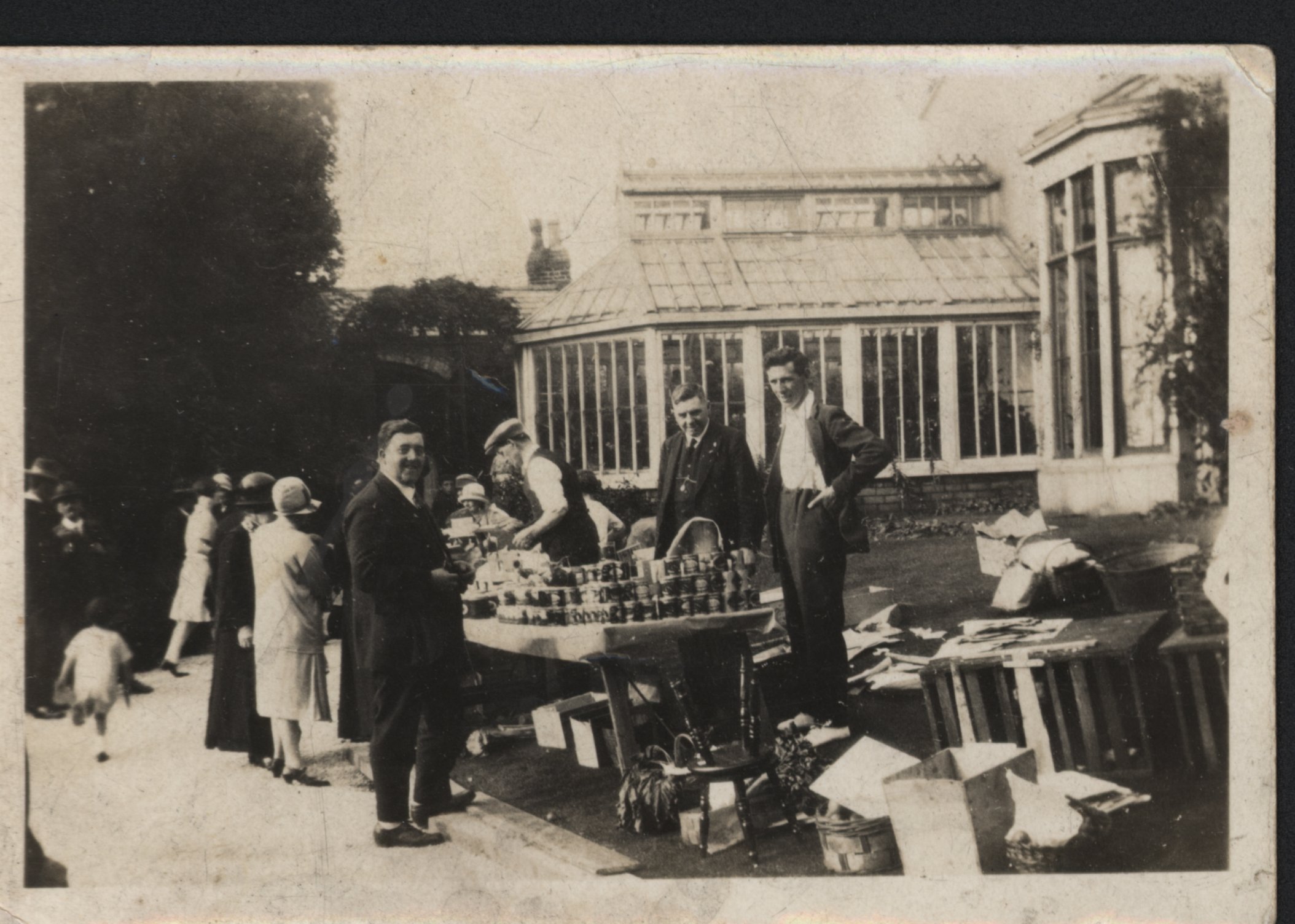
Electricity was eventually brought to the village in 1929 by the Mersey Power Company. Kenneth Bishop, an electrical engineer from Stockton Heath prepared plans for it to be installed in the Chapel premises. The oil lamps were replaced by electric light in 1930.
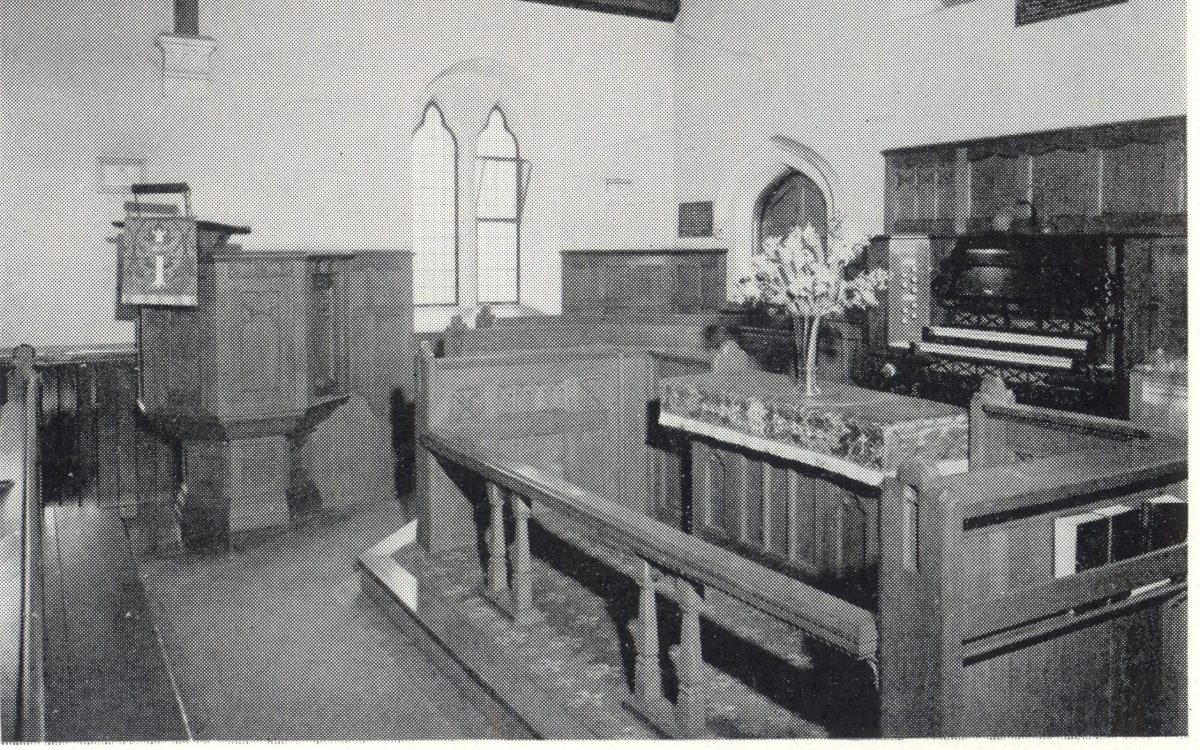
This coincided with the need to replace the harmonium, which could be operated by an electric blower. An Apollo Reed Organ was bought from Rushworth and Drapers for £235.
Ralph Johnson, a furniture manufacturer of Warrington, was asked to make the new pulpit, choir seating, wall panelling and communion table in light oak at a cost of £253 10s 0d. They were installed ready for the service of dedication on April 16 1931.
The Chapel Keepers and the Chapel House
The caretaker’s duties were listed as follows:
*To light and heat the premises as required
*To keep the premises clean and scrub through at least twice a year.
*To prepare for and be in early attendance whenever possible at each service or meeting and assist the minister and stewards prior to the service.
*To prepare the schoolroom for Sunday school and weekday meetings.
*To prepare for and clear away after any meetings.
*To prepare for and clear away after any meetings where tea or refreshments are served.
*To distribute and collect the books.
In return, the chapel keeper occupied the chapel house rent and rates free and received one pound each month. He was required to provide his own cleaning materials and utensils.
Links with the Anglican Church
Links between the Methodist Chapel and All Saints, Daresbury, began as early as the 1950’s when Canon Prothero conducted a service in the Chapel. In 1971, there were joint services during Lent, a week of prayer for Christian unity and joint discussion meetings for ‘call to the North’. In the 1980’s, Canon Beckett and Rev Denis Marston exchanged pulpits on frequent occasions, proving that the ties between the two churches were strong and enduring. In 1999, joint services were held to celebrate Christmas at All Saints, Daresbury, St Faith’s Preston Brook and the Methodist Chapel, Moore
The Clergy
Visiting Ministers
The visiting minister from Penketh would cross the Mersey at Fiddler’s Ferry and be met by a horse drawn conveyance from Moss Side Farm. Arriving at Moore, dusty from the journey, a bowl of water on an iron stand would await him in the vestry to ‘freshen up’. It remained there for many years.
Other preachers were collected from Bold Street Chapel by a horse drawn omnibus and returned after the service.
| 1957-1962 | Reverend Ralph Rogerson |
| 1962-1966 | Reverend Jack Hanson |
| 1966-1967 | Reverend Peter Woods |
| 1967-1968 | Reverend Donald Vickers |
| 1968-1973 | Reverend Arthur Mills |
| 1973-1975 | Reverend Allen Horner |
| 1975-1980 | Reverend David Blatherwick |
| 1980-1987 | Reverend Denis Marston |
| 1987- | Reverend David Woosley |
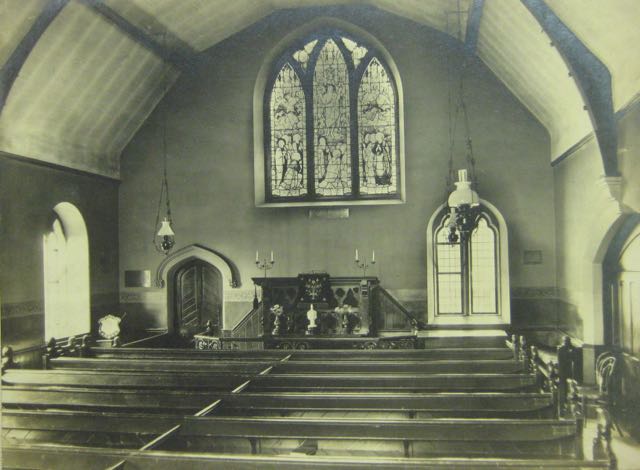
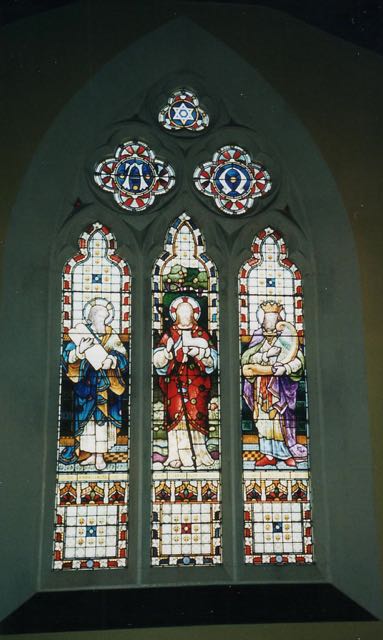
The Chapel probably enjoyed its peak of prosperity from the turn of the century until the Second World War. Congregations of 60 or more were normal and at special services, the church was almost full. As with most churches, the impact of the last war brought a great change in attendance and membership. Numbers declined due to death, removal and general indifference. By 1962, the membership was just 42 and many of those were irregular on account of age or infirmity. It had risen again to 54 in May 1971, but declined to 43 by 1983.
Membership continued to decline and the Church Council minutes of 22 October 2004 record:
“Much thought and discussion has taken place over many months about how, with so few members, the church can remain open. The conclusion arrived at is that the inevitable is being avoided. It’s with a sense of sadness that a resolution for church closure has been made.”
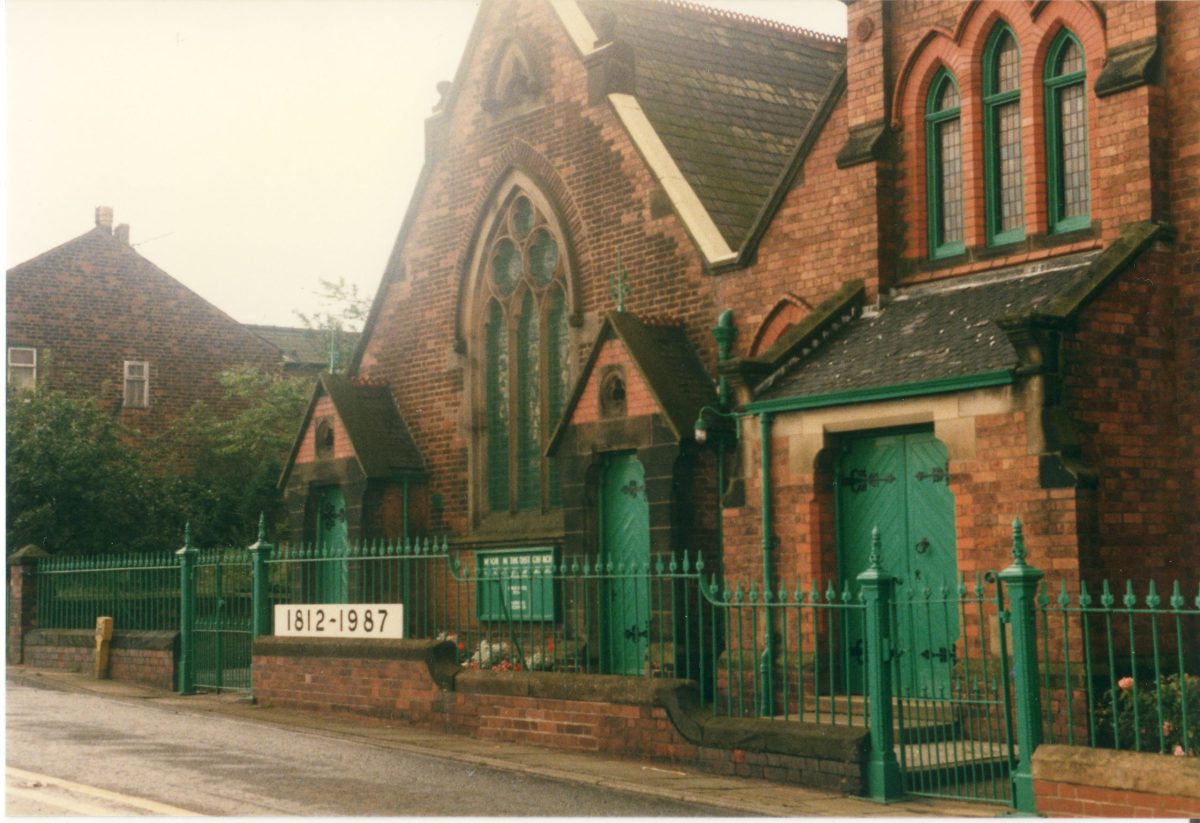
Moore Methodist Chapel closed and the building was sold and converted into three residences. Bibles that had been used in the Chapel were given to the new residents.
In writing this history of the Methodist Chapel, I have used three main sources of information. Both John Lythgoe and Angela Huntley wrote about the Chapel, using documentary, contemporary and anecdotal evidence. I am grateful to Clive Lythgoe for giving me permission to base my account on his father’s booklet and to Angela herself for allowing me to use her booklets and collection of press cuttings. I have also used information from all the Chapel documents held at Cheshire Records Office in Chester.