Charles Lutwidge Dodgson, better known to the world as Lewis Carroll, was born on the 27 January 1832 at the Daresbury Parsonage, the third child and first son of Reverend Charles Dodgson (the perpetual curate of All Saints’) and his wife, France Jane “Fanny” Lutwidge.
Within view of the parsonage were the Dodgson’s nearest neighbours, the Darbishire family of Morphany Hall.
The family comprised of James Darbishire, his wife Mary, known as Aunt Dar to the Dodgson children, and their children, who were some of the earliest playmates of the Dodgson family
As the Dogdson family grew, Fanny bearing 10 children while at Daresbury, Charles became the natural leader and entertainer of his brothers and sisters, and he enjoyed performing conjuring tricks.
The acrostic poem in the belltower of Daresbury inspired him so much that he wrote upwards for 40 or so examples for the amusement of his friends and family.
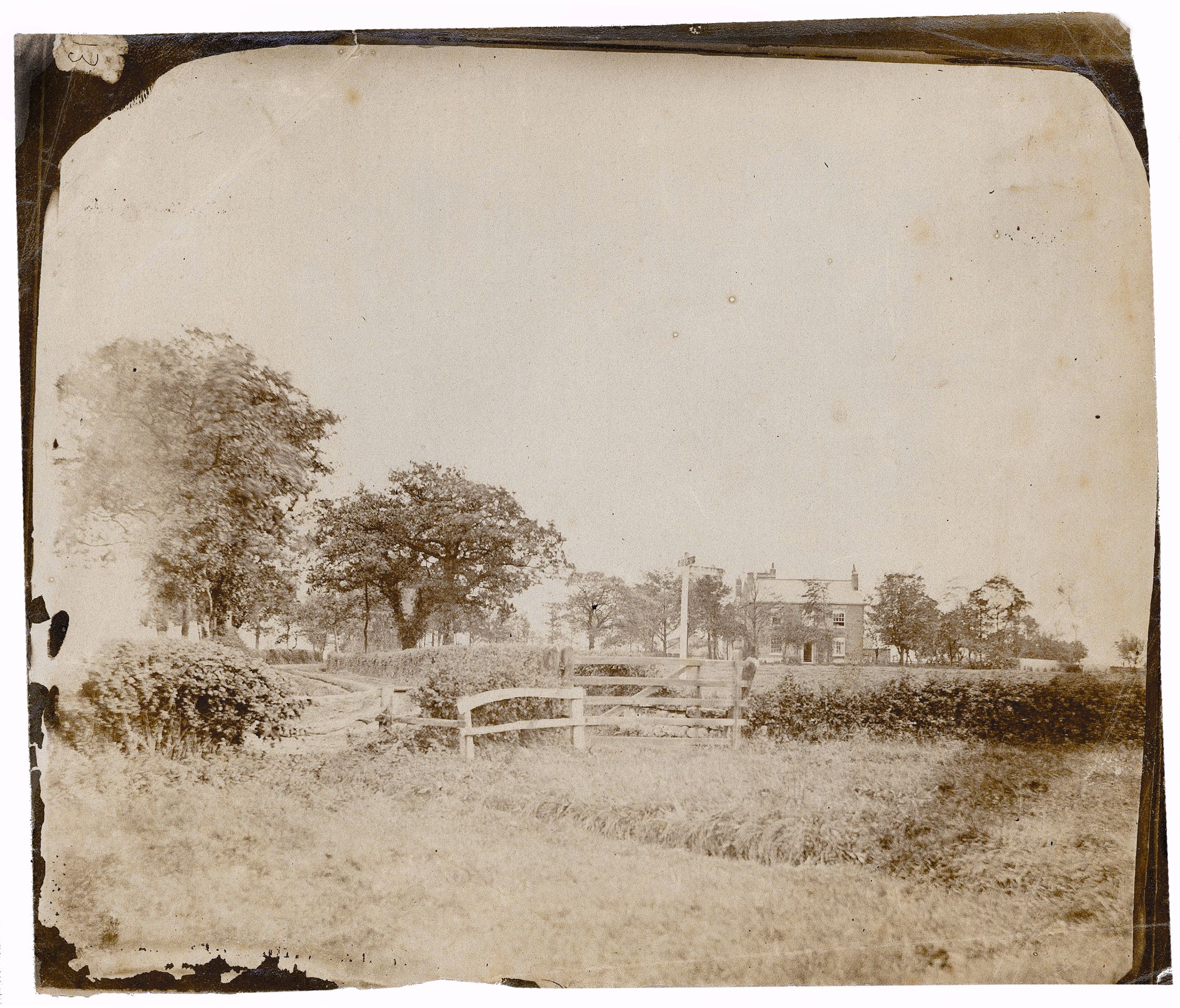
Charles returned to Daresbury only once it appears, where he took a number of photographs of former servants and of the parsonage itself, and probably during this visit he wrote Faces in the Fire, with the affectionate lines for his childhood home:
An island-farm, mid seas of corn
Swayed by the wandering breath of morn.
The happy spot where I was born.
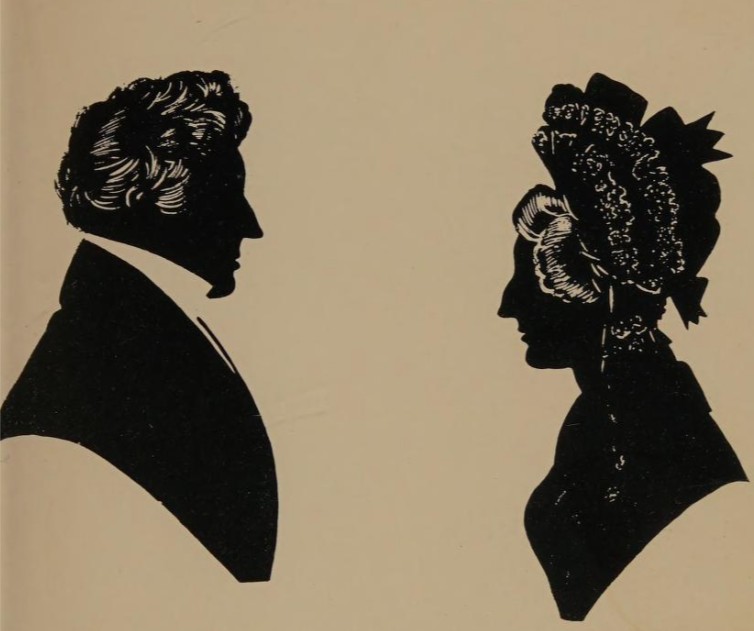
His education began with his mother, who kept a logbook of his literacy progress, while his father instilled a fascination with mathematics. He was evidently an apt scholar, as letter written to Charles by his mother said “It delights me, my darling Charlie, to hear that you are getting on so well with your Latin, and that you make so few mistakes in you exercises.”
The family left Daresbury in 1843 for Croft in Yorkshire and in 1846 Charles began his secondary education, with 3 years at Rugby School (which he did not enjoy in the slightest) and then 3 years Christ Church in Oxford, after which he became a mathematical lecturer at the same, followed by a number of other posts in the college.
In 1856 Henry Liddell came to Christ Church as a Dean, bringing with him his young family. Charles’ relationships with the Liddell’s is famous, and in 1862 the first sketch of Alice’s adventures came forth, eventually being published in 1865.
He died of pneumonia at half past 2 in the afternoon of 14th January 1898, at “The Chestnuts” in Guilford, and he was buried in Mount Cemetery near by.